How Foodics Became a Restaurant Tech Success Story in Cloud POS and Fintech

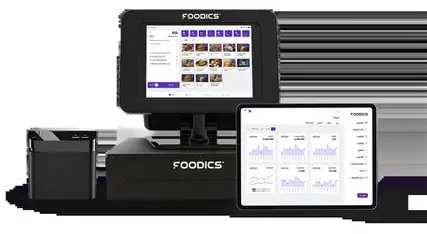
The restaurant industry has changed more in the last decade than in the previous fifty years. Digital payments, online ordering, food delivery apps, and customer loyalty programs are no longer optional. They are essential. In the middle of this transformation, one company from the Middle East has quietly built one of the region’s most powerful restaurant technology platforms: Foodics.
Foodics is not just a point-of-sale system. It is a cloud-based software and fintech platform that helps restaurants manage everything from sales and inventory to payments and analytics. Its success story shows how vertical SaaS, when built correctly, can reshape an entire industry.
The Problem Foodics Solved
Before cloud POS systems became common, many restaurants relied on outdated cash registers or complex desktop software. Data was stored locally. Reports had to be generated manually. If an owner had multiple branches, tracking performance across locations was difficult and time-consuming.
Foodics recognized this gap early. Restaurants needed a simple, cloud-based system that could centralize operations and make data available anytime, anywhere. By focusing only on the food and beverage sector, the company designed a product tailored specifically to restaurant workflows. This specialization became one of its strongest advantages.
Building a Cloud-First Restaurant Platform
Foodics introduced a cloud-native POS system that allowed restaurant owners to manage their business from a laptop, tablet, or even a smartphone. Sales data updated in real time. Inventory could be tracked automatically. Menu changes could be pushed to all branches instantly.
This flexibility made it easier for restaurants to scale. A café opening its second location did not need a completely new system. It simply expanded within the same platform. For franchise models and multi-location chains, this centralized structure was a game changer.
As more businesses adopted digital payments and delivery apps, Foodics continued to expand its capabilities. Instead of acting as a basic POS provider, it evolved into a full restaurant management system.
The Fintech Layer That Changed the Game
What truly sets Foodics apart from many POS companies is its integration of fintech services. In today’s restaurant environment, accepting payments is only the beginning. Businesses must also reconcile transactions, track cash flow, and manage settlements from different payment channels.
Foodics integrated payment processing directly into its system, allowing restaurants to accept card payments, contactless transactions, and digital wallets seamlessly. More importantly, the platform automatically reconciles transactions with sales reports. This reduces errors and saves hours of manual accounting work.
By embedding financial tools into daily operations, Foodics turned its software into financial infrastructure for restaurants. It is not just about recording sales. It is about helping businesses understand and manage their money better.
Supporting the Rise of Delivery and Cloud Kitchens
The global growth of food delivery platforms and cloud kitchens created new operational challenges. Restaurants suddenly needed to handle orders coming from multiple apps while maintaining kitchen efficiency and accurate reporting.
Foodics adapted quickly. It built integrations that allowed restaurants to manage delivery orders from different platforms within one system. This unified dashboard simplified operations and reduced confusion during peak hours.
For cloud kitchens, which operate without dine-in services, this efficiency is critical. Foodics provided the operational backbone that allowed many of these digital-first food businesses to scale without increasing complexity.
Data-Driven Decisions for Restaurant Owners
One of the most powerful aspects of modern SaaS platforms is data. Foodics transformed raw transaction data into clear, easy-to-understand insights. Restaurant owners can see their top-selling items, busiest hours, and most profitable products in real time.
Instead of relying on guesswork, managers can adjust menus, staffing, and pricing strategies based on actual performance metrics. This data-driven approach increases profitability and reduces waste, which is especially important in an industry known for tight margins.
The platform’s analytics tools are designed to be simple enough for non-technical users. A small café owner does not need to be a data scientist to understand what is happening in their business. This simplicity has been key to its widespread adoption.
Scaling Across the Middle East and Beyond
From its origins in Saudi Arabia, Foodics expanded across the Gulf region and into international markets. Its growth was supported by strong investor confidence and significant funding rounds that allowed the company to invest in technology, partnerships, and expansion.
The company’s ability to localize its solution for different regulatory environments and payment systems gave it an edge. Each market has unique tax rules, payment preferences, and consumer behaviors. Foodics built a flexible platform that could adapt to these differences.
As digital transformation accelerates globally, especially in emerging markets, the demand for modern restaurant technology continues to grow. Foodics is well positioned to benefit from this shift.
Why Foodics Is a Model for Vertical SaaS Success
Foodics’ journey highlights a broader lesson in technology entrepreneurship. Instead of building a generic software product for everyone, the company focused deeply on one industry. By understanding the daily challenges of restaurant owners, it created a solution that feels purpose-built rather than adapted.
This industry focus also allowed Foodics to layer additional services, such as fintech and analytics, directly into its core offering. The result is a powerful ecosystem where software, payments, and business intelligence work together seamlessly.
Vertical SaaS combined with embedded finance is becoming one of the strongest trends in global technology. Foodics is a clear example of how this model can succeed when executed well.
The Future of Restaurant Tech
The restaurant industry is entering a new era shaped by automation, artificial intelligence, and integrated financial services. Predictive analytics, smart inventory management, and personalized loyalty programs are becoming standard expectations.
Foodics continues to invest in innovation, exploring AI-driven forecasting and smarter automation tools that can help restaurants operate even more efficiently. As consumer expectations evolve, platforms that combine operational control with financial clarity will become even more valuable.
The success of Foodics shows that world-class technology companies can emerge from any region when they solve real problems with clarity and focus. For restaurant owners, it represents more than software. It represents control, visibility, and the ability to grow confidently in a competitive market.
In a world where digital transformation is no longer optional, Foodics stands as a powerful example of how cloud POS and fintech can reshape an entire industry — one restaurant at a time.