Is Weave a Failed Startup? The Real Story Behind the SaaS Communication Platform

In the world of startups, people often assume that if a company is not constantly in headlines, it must have failed. But that is not always true. Many SaaS companies quietly build strong businesses without dramatic news cycles.
One such company is Weave, a SaaS communication platform designed primarily for small and medium-sized healthcare practices.
So the big question is: Did Weave fail? Or is it still growing?
Let’s explore the real story.
What Is Weave?
Weave is a communication and customer engagement platform built mainly for dental, medical, and other healthcare practices. It combines tools like business texting, VoIP phone systems, appointment reminders, payment solutions, and patient engagement features into one platform.
The idea was simple but powerful: small practices were juggling multiple disconnected tools. Weave aimed to unify communication, billing, and scheduling into one easy system.
Instead of building for everyone, Weave focused on a niche — local healthcare businesses.
Is Weave a Failed Startup?
No, Weave is not a failed startup.
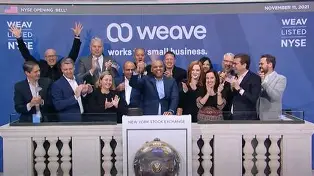
In fact, Weave reached a major milestone when it went public on the New York Stock Exchange in 2021. Going public is not something failed startups do. It means the company achieved strong revenue growth, investor trust, and market demand.
Like many SaaS companies, Weave experienced ups and downs. Public market pressures, competition, and changing economic conditions created challenges. However, facing challenges does not equal failure.
Many SaaS companies experience volatility after IPO due to market cycles, not because the business model is broken.
Why Some People Think It Failed
There are a few reasons people might question Weave’s success:
Stock Market Performance
After IPO, some SaaS stocks saw price drops due to broader market corrections. When valuations fall, people often assume the company is struggling.
Competition
The communication SaaS space is competitive. Platforms like Twilio and other vertical SaaS providers offer similar tools. Competition can create pressure on growth and margins.
Economic Slowdowns
Healthcare practices and small businesses may reduce spending during uncertain economic times, affecting SaaS subscription growth.
However, none of these factors automatically mean failure. They are part of normal business cycles.
What Weave Did Right
Weave built a strong vertical SaaS model. Instead of serving all industries, it targeted healthcare professionals. This focus allowed it to design features specifically for appointment-heavy businesses.
It also embraced recurring revenue. Subscription-based SaaS models create predictable income, which investors value.
Another smart move was integrating payments with communication. When platforms combine messaging and billing, they increase customer stickiness.
Lessons from Weave’s Journey
Even if a startup faces challenges, there are powerful lessons to learn:
Niche Focus Wins
Targeting a specific industry can create strong product-market fit.
All-in-One Platforms Add Value
Customers prefer simplicity over managing many disconnected tools.
IPO Is Not the End
Going public brings new expectations. Growth must continue, and profitability becomes more important.
Market Conditions Matter
External factors like interest rates and investor sentiment impact public SaaS companies significantly.
The Reality of SaaS Success
Startup success is not always dramatic. It is not only about unicorn valuations or viral funding announcements. Sustainable SaaS companies often grow steadily over time.
Weave built real infrastructure for real businesses. It solved communication problems for healthcare practices and created recurring revenue streams.
That is not failure. That is operational business building.
Final Verdict
Weave is not a failed startup. It is a SaaS company that successfully built a niche communication platform, scaled operations, and entered public markets.
Like many technology companies, it faces competition and market challenges. But those challenges are part of growth, not signs of collapse.
In the startup world, failure means shutting down or losing relevance completely. Weave remains active, serving customers, and operating as a public SaaS business.
Frequently Asked Questions (FAQ)
What does Weave do?
Weave provides communication, phone systems, messaging, payments, and customer engagement tools primarily for healthcare and small service-based businesses.
Did Weave go public?
Yes, Weave went public in 2021 on the New York Stock Exchange.
Is Weave profitable?
Public SaaS companies often prioritize growth before profitability. Financial performance changes over time depending on market conditions and company strategy.
Why do SaaS stocks drop after IPO?
Stock prices can drop due to market corrections, economic slowdowns, investor expectations, or competitive pressure. A stock decline does not automatically mean business failure.
What can founders learn from Weave?
Focus on a niche market, create strong recurring revenue models, integrate essential tools into one platform, and prepare for market cycles after scaling.