Why Most Startups Fail (And How You Can Avoid the Same Mistakes)

Starting a startup is exciting. The idea feels powerful, the vision feels clear, and the motivation is at its peak. Yet, despite passion, talent, and long working hours, most startups don’t survive.
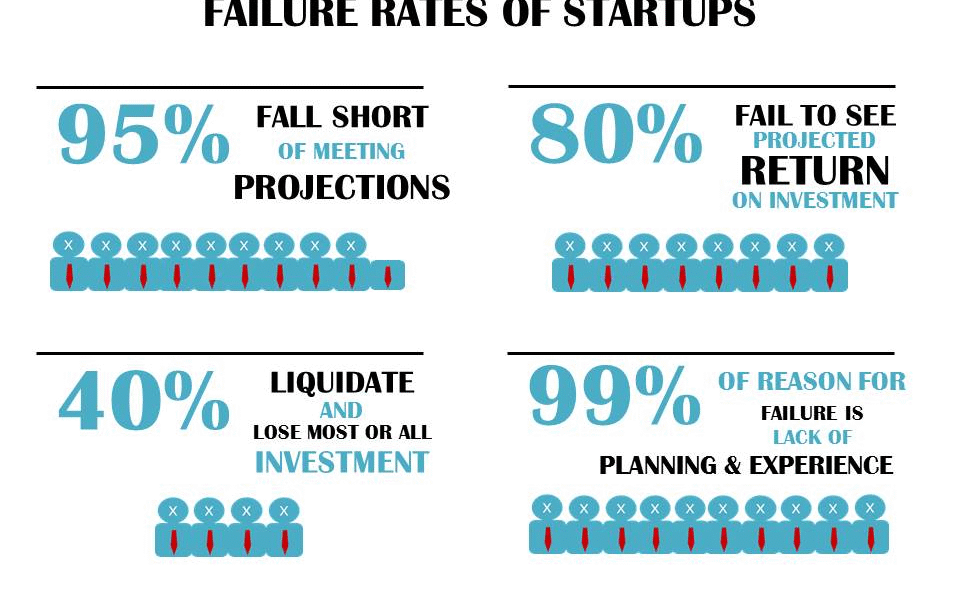
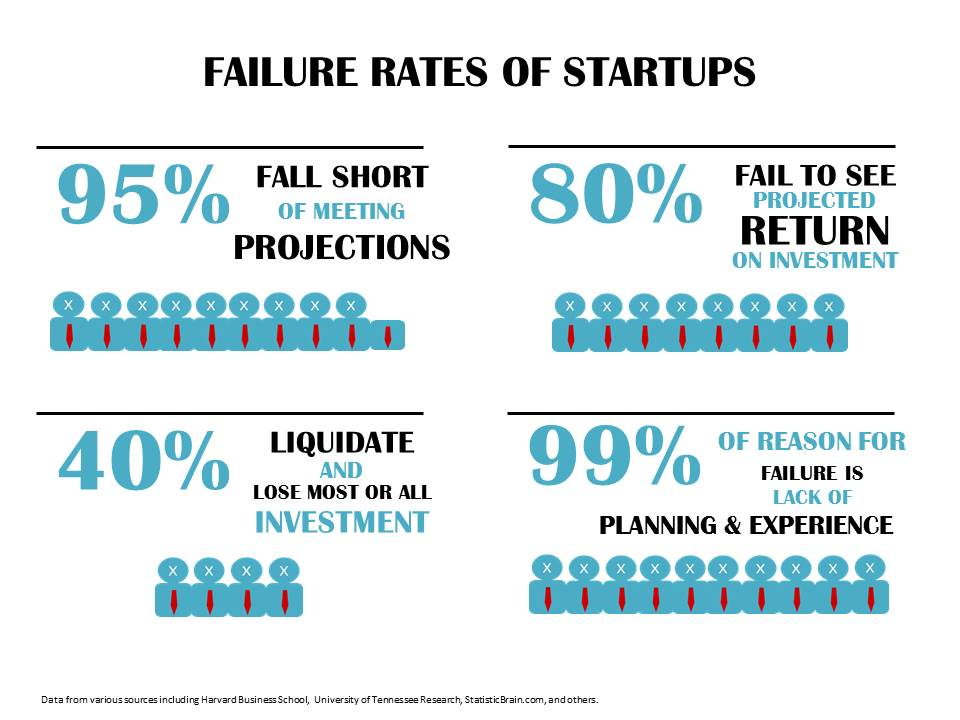
According to multiple global studies, over 90% of startups fail—not because founders are lazy or unintelligent, but because they make avoidable mistakes early on.
This blog breaks down why startups fail and, more importantly, how you can avoid those failures as a founder.
1. Building Something Nobody Wants
The number one reason startups fail is simple but brutal:
👉 There is no real market need.
Many founders fall in love with their idea without validating it. They assume:
- “People will use it”
- “This problem exists”
- “Others will surely pay for it”
But assumptions don’t build businesses—customers do.
How to Avoid It:
- Talk to real users before building
- Ask: “What problem hurts you the most?”
- Validate demand using:
- Surveys
- Landing pages
- Pre-orders
- Free pilots
👉 If users won’t commit time or money early, they won’t later.
2. Ignoring the Customer Problem
Some startups focus more on features than problems.
They build complex products, dashboards, and tools—but forget the core question:
“Does this actually solve a painful problem?”
A fancy product without a real solution is just noise.
How to Avoid It:
- Be problem-obsessed, not product-obsessed
- Write the problem in one sentence
- Continuously take user feedback
- Improve based on usage, not opinions
Successful startups don’t guess—they listen.
3. Poor Cash Flow Management
Startups don’t usually fail because they are unprofitable.
They fail because they run out of cash.
Common mistakes include:
- Overspending on branding or ads too early
- Hiring too fast
- Ignoring burn rate
- Not tracking expenses properly
How to Avoid It:
- Track every rupee or dollar
- Focus on runway, not valuation
- Delay unnecessary costs
- Prioritize revenue over vanity metrics
💡 Cash gives you time. Time gives you learning.
4. Wrong Team or Co-Founder Conflicts
A weak or misaligned team can destroy even the best idea.
Many startups fail due to:
- Ego clashes
- Unequal workload
- Lack of trust
- No clear roles
How to Avoid It:
- Choose co-founders for values, not friendship
- Define roles clearly from day one
- Have open conversations about:
- Equity
- Expectations
- Exit plans
A startup is a long journey—choose partners carefully.
5. No Clear Business Model
Some startups grow users but never figure out how to make money.
Others depend too much on future funding without revenue clarity.
Growth without sustainability is dangerous.
How to Avoid It:
- Understand who pays and why
- Test pricing early
- Start small with simple monetization
- Build for profitability, not just growth
Revenue is the strongest validation.
6. Trying to Scale Too Early
Scaling before product-market fit is a silent killer.
Examples:
- Running ads before retention is strong
- Expanding teams without systems
- Launching in multiple markets at once
How to Avoid It:
- First achieve product-market fit
- Ensure users return and recommend
- Fix churn before growth
- Scale slowly and strategically
🚫 Growth cannot fix a broken product.
7. Founder Burnout and Mental Pressure
Founders often ignore their mental health.
Long hours, uncertainty, and pressure can lead to:
- Poor decisions
- Loss of motivation
- Giving up too early
How to Avoid It:
- Build realistic timelines
- Take breaks without guilt
- Talk to mentors or fellow founders
- Remember: failure is feedback, not identity
A strong founder mindset is as important as a strong product.
Final Thoughts: Failure Is Optional, Learning Is Mandatory
Most startups don’t fail overnight.
They fail slowly—because of ignored signals, unvalidated ideas, and rushed decisions.
The good news?
👉 Most failures are preventable.
If you:
- Solve a real problem
- Listen to customers
- Manage cash wisely
- Build the right team
- Take care of yourself
You already put yourself ahead of 90% of startups.
🚀 Action for Founders:
Before building anything, ask yourself:
- Who is my customer?
- What pain am I solving?
- Will they pay for it?
- Can I survive without funding?
Answer these honestly—and your startup journey becomes much stronger.